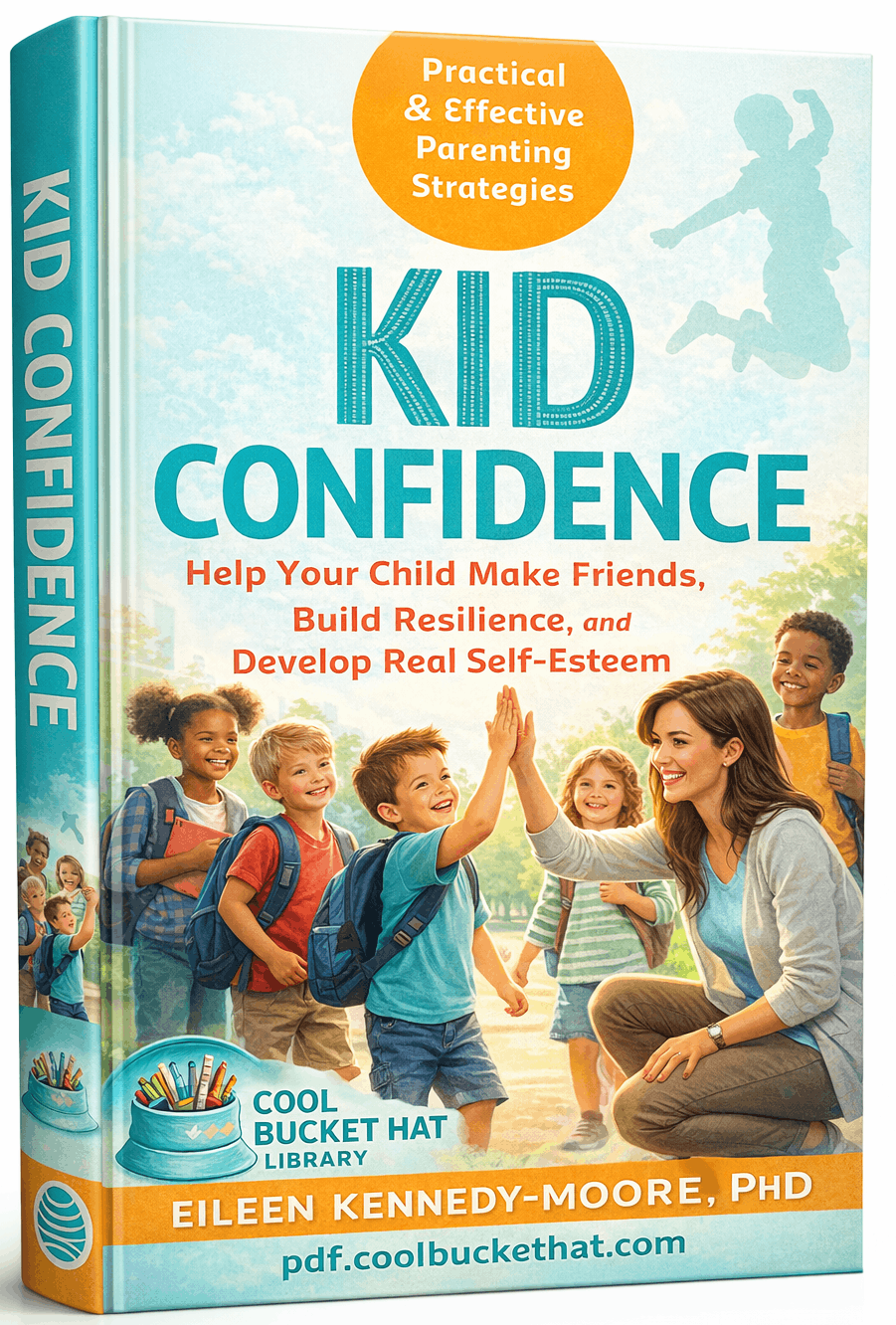
Kid Confidence Help Your Child Make Friends Build Resilience
Kid Confidence Help Your Child Make Friends, Build Resilience, and Develop Real Self-Esteem is more than just a parenting concept. It is a practical approach to raising emotionally strong, socially confident, and independent children. In today’s fast-changing world, children face academic pressure, social challenges, and emotional ups and downs. Therefore, building confidence from an early age has become more important than ever.
Confidence does not mean being loud or always successful. Instead, it means believing in oneself, handling setbacks calmly, and forming healthy relationships. When children develop real self-esteem, they are better prepared to navigate school, friendships, and life’s challenges.
Why Confidence Matters in Childhood
Childhood is a critical period for emotional development. During these years, children begin to form beliefs about themselves. If they feel capable and valued, they are more likely to take healthy risks and try new things.
Confident children tend to:
Make friends more easily
Express their thoughts clearly
Try new activities without fear
Handle disappointment better
Show empathy toward others
On the other hand, low confidence can lead to hesitation, fear of failure, and social withdrawal. Therefore, parents play a key role in shaping how children view themselves.
Helping Your Child Make Friends
Friendships are essential for emotional growth. Through friendships, children learn sharing, cooperation, and communication. However, making friends is not always easy.
Teach Social Skills Naturally
Children learn social behavior by observing adults. Therefore, model positive communication at home. Use polite language, active listening, and respectful responses.
You can also guide your child to:
Make eye contact
Smile when greeting others
Introduce themselves confidently
Ask simple questions like, “Can I play with you?”
These small steps build social comfort over time.
Encourage Group Activities
Participation in group activities builds social exposure. Sports teams, art classes, and community programs allow children to meet peers with similar interests.
Because shared interests create common ground, friendships often form more naturally in structured settings.
Practice Role-Playing at Home
Role-playing social situations can reduce anxiety. For example, practice how to introduce oneself or how to respond if someone says no. Preparation builds confidence.
Building Emotional Resilience
Resilience is the ability to bounce back from challenges. It does not mean avoiding failure. Instead, it means learning from mistakes and continuing forward.
Allow Safe Failures
Parents often want to protect their children from disappointment. However, small setbacks teach valuable lessons. When children face minor challenges, they learn problem-solving skills.
For example, if a child loses a game, encourage reflection:
This mindset shifts focus from failure to growth.
Teach Problem-Solving Skills
Instead of immediately solving problems for your child, ask guiding questions. For example:
When children find solutions independently, their confidence grows.
Normalize Emotions
It is important to validate feelings. If a child feels sad or frustrated, acknowledge the emotion without judgment.
You might say:
When emotions are accepted, children feel safe expressing themselves.
Developing Real Self-Esteem
True self-esteem comes from internal belief, not constant praise. Therefore, it is important to focus on effort rather than results.
Praise Effort, Not Just Success
Instead of saying, “You’re so smart,” try:
Effort-based praise encourages perseverance.
Encourage Independence
Give children age-appropriate responsibilities. Simple tasks like organizing toys or helping with small chores build responsibility.
When children complete tasks independently, they feel capable. This sense of competence strengthens self-esteem.
Avoid Comparisons
Comparing children to siblings or classmates can harm confidence. Every child develops at a different pace. Focus on personal growth rather than competition.
The Role of Positive Communication
Communication shapes how children see themselves. Harsh criticism may damage confidence, while constructive feedback builds growth.
Use positive language such as:
Supportive communication creates a safe learning environment.
Encouraging Healthy Risk-Taking
Confidence grows when children step outside their comfort zones. Encourage them to try new hobbies, speak in class, or join a club.
Although they may feel nervous at first, success builds courage. Even if they do not succeed immediately, the experience itself strengthens resilience.
Creating a Supportive Home Environment
Home should feel safe and supportive. Children thrive in environments where they feel heard and respected.
To create this environment:
Spend quality time together
Listen without interrupting
Celebrate small achievements
Maintain consistent routines
Stability builds emotional security.
Reducing Fear of Failure
Many children fear making mistakes. However, mistakes are part of learning.
Parents can model resilience by admitting their own mistakes. For example:
When children see adults handling setbacks calmly, they learn to do the same.
Strengthening Peer Relationships
Strong friendships improve confidence. Encourage empathy by teaching children to:
Share and take turns
Apologize when necessary
Offer help to others
Respect differences
Social skills grow with practice and guidance.
Balancing Support and Independence
Overprotection can limit growth. While support is essential, independence builds strength.
Allow children to:
Balanced guidance fosters maturity.
Long-Term Benefits of Kid Confidence
Children who develop confidence early often grow into capable adults. They are more likely to:
Take healthy risks
Build positive relationships
Handle stress effectively
Maintain strong self-belief
Confidence influences academic success, career development, and personal happiness.
Practical Daily Strategies for Parents
Here are simple steps to apply daily:
Offer encouragement consistently.
Listen actively without quick judgment.
Create opportunities for social interaction.
Allow safe mistakes.
Celebrate effort and improvement.
Small, consistent actions create lasting results.
Conclusion
Kid Confidence Help Your Child Make Friends, Build Resilience, and Develop Real Self-Esteem is a powerful goal for every parent. Confidence is not built overnight. It develops through supportive relationships, guided independence, and real-life experiences.
By teaching social skills, encouraging resilience, and nurturing healthy self-esteem, parents give children lifelong tools for success. When children believe in themselves, they approach challenges with courage and optimism.
In the end, confident children are not those who never fail. They are the ones who learn, grow, and keep trying. With patience and guidance, every child can develop the confidence needed to thrive.